Gait is more than just a way to get from point A to point B; it’s a reflection of our overall health and well-being. When we walk, we engage a complex interplay of muscles, joints, and neurological pathways. Each step we take can reveal a lot about our physical condition.
A smooth, balanced gait often indicates good muscle strength and coordination, while an uneven or shuffling walk might signal underlying issues that need attention. I often find that people underestimate how much their gait can affect their daily lives—everything from energy levels to mood can be influenced by how we move. Moreover, gait plays a significant role in injury prevention.
A proper walking pattern helps distribute forces evenly across the body, reducing strain on joints and muscles. When we walk correctly, we minimize the risk of overuse injuries, which can be particularly important for athletes or those who lead active lifestyles. Understanding the importance of gait is the first step toward improving not just how we walk, but also how we feel overall.
Key Takeaways
- Understanding the importance of gait is crucial for overall health and mobility.
- Identifying common gait issues can help in addressing and correcting them for improved movement.
- Strengthening and stretching exercises play a key role in enhancing gait and preventing issues.
- The right footwear is essential for maintaining healthy gait and preventing injuries.
- Maintaining proper posture is vital for healthy gait and overall well-being.
Identifying Common Gait Issues
Recognizing common gait issues is essential for anyone looking to improve their movement patterns. Some people may notice they have a tendency to drag one foot or lean to one side while walking. These habits can stem from various factors, including muscle imbalances, previous injuries, or even neurological conditions.
For instance, a person recovering from a knee injury might develop a limp, which can lead to compensatory movements that create further problems down the line. Another common issue is overpronation, where the foot rolls inward excessively during walking. This can lead to a host of problems, including shin splints and plantar fasciitis.
On the flip side, some individuals may experience supination, where the foot rolls outward. Both conditions can be identified through simple observation or more formal assessments by professionals. It’s fascinating how something as seemingly simple as walking can reveal so much about our bodies and their needs.
Strengthening and Stretching Exercises for Improved Gait
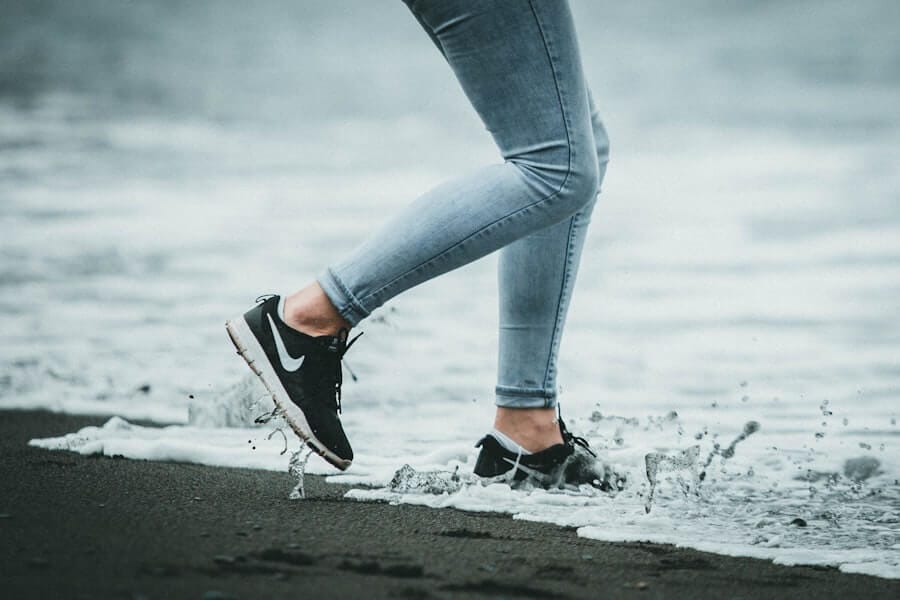
To enhance gait, incorporating specific strengthening and stretching exercises into your routine can make a world of difference. Strengthening the muscles that support your hips, knees, and ankles is crucial. Exercises like squats and lunges not only build strength but also improve balance and coordination.
I’ve seen firsthand how even a few weeks of targeted strength training can lead to noticeable improvements in gait. Stretching is equally important. Tight muscles can restrict movement and lead to compensatory patterns that affect how we walk.
Focus on stretching the calves, hamstrings, and hip flexors—these areas often hold tension that can disrupt a smooth gait. Simple stretches like calf raises or seated forward bends can help maintain flexibility and promote better movement patterns. The key is consistency; integrating these exercises into your daily routine will yield the best results over time.
The Role of Footwear in Gait Health
Footwear plays a pivotal role in how we walk. The right shoes can provide support, cushioning, and stability, all of which contribute to a healthy gait. Unfortunately, many people wear shoes that don’t fit properly or lack adequate support, leading to discomfort and potential injury.
I’ve often noticed that individuals who invest in quality footwear tend to experience fewer issues with their gait. When selecting shoes, consider your foot type and any specific needs you may have. For instance, those with flat feet might benefit from shoes with arch support, while individuals with high arches may need extra cushioning.
It’s also essential to replace worn-out shoes regularly; the materials lose their effectiveness over time, which can negatively impact your walking pattern. Remember, your feet are the foundation of your body—treat them well!
Maintaining Proper Posture for Healthy Gait
Posture is intricately linked to gait; how we hold ourselves while standing or walking can significantly influence our movement patterns. Good posture aligns the spine and pelvis, allowing for efficient movement and reducing strain on muscles and joints. When I see someone walking with their head down or shoulders hunched, I can’t help but think about how that might affect their overall gait.
To maintain proper posture while walking, keep your head up and shoulders back. Imagine a string pulling you upward from the crown of your head—this visualization can help you maintain an upright position. Engaging your core muscles also plays a vital role in supporting your spine and pelvis during movement.
Practicing good posture not only enhances your gait but also contributes to overall body awareness and confidence.
Incorporating Gait Training into Your Exercise Routine
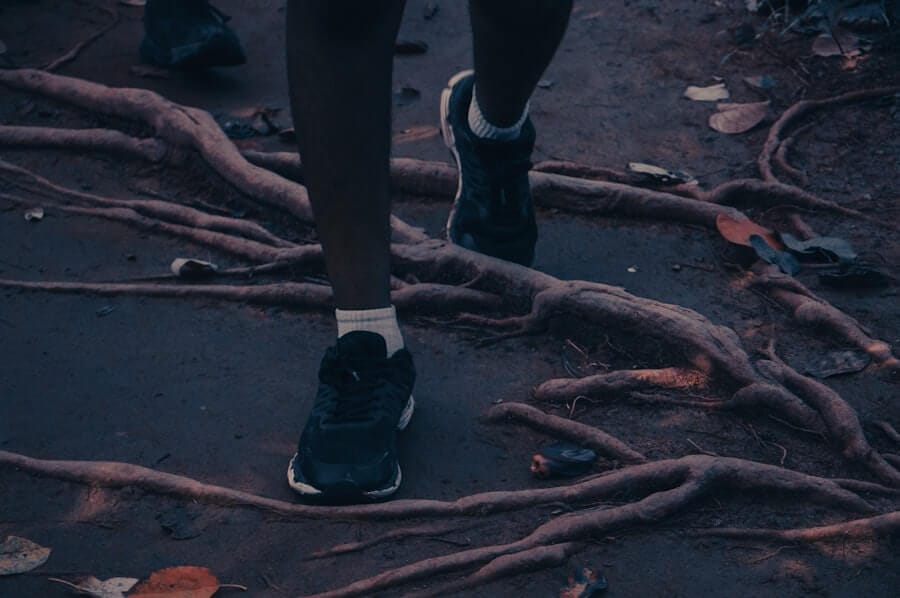
Integrating gait training into your exercise routine doesn’t have to be complicated; it can be as simple as being mindful of how you walk during your workouts. Activities like walking lunges or high-knee marches can help reinforce proper movement patterns while building strength and flexibility. I often encourage clients to focus on their form during these exercises—paying attention to foot placement and body alignment can lead to significant improvements.
Additionally, consider incorporating balance exercises into your routine. Activities like single-leg stands or stability ball exercises challenge your balance and coordination, which are crucial for maintaining a healthy gait. The more you practice these movements, the more natural they’ll become in your everyday life.
Remember, gait training isn’t just for athletes; it’s beneficial for everyone looking to enhance their mobility and overall health.
Seeking Professional Help for Gait Correction
Sometimes, despite our best efforts, we may need professional guidance to address gait issues effectively. Physical therapists or certified trainers specializing in gait analysis can provide valuable insights into your movement patterns. They often use advanced techniques—like video analysis—to identify specific areas for improvement that you might not notice on your own.
Working with a professional can also help tailor an exercise program to your unique needs. They’ll assess your strength, flexibility, and any existing injuries to create a comprehensive plan aimed at correcting your gait. I’ve seen many individuals make remarkable progress after just a few sessions with a knowledgeable expert; it’s amazing what personalized attention can do.
The Impact of Gait on Joint Health
Gait has a profound impact on joint health—how we walk affects everything from our knees to our hips and even our spine. Poor gait mechanics can lead to excessive wear and tear on joints, increasing the risk of conditions like osteoarthritis over time. For instance, if someone consistently walks with an uneven stride due to muscle imbalances, it can place undue stress on one side of the body.
Conversely, maintaining a healthy gait can promote joint longevity by distributing forces evenly across the body. This balance helps reduce inflammation and discomfort in the joints, allowing for more fluid movement as we age. It’s fascinating how something as fundamental as walking can play such a significant role in our long-term joint health.
Nutrition and Hydration for Optimal Gait Function
While it might not be the first thing that comes to mind when thinking about gait, nutrition and hydration are crucial components of maintaining optimal function. Our bodies need fuel to perform at their best—this includes the muscles involved in walking. A balanced diet rich in whole foods—like fruits, vegetables, lean proteins, and healthy fats—provides the nutrients necessary for muscle recovery and energy production.
Hydration is equally important; dehydration can lead to fatigue and decreased performance during physical activities, including walking. I often remind people that even mild dehydration can affect muscle function and coordination, which are essential for maintaining a healthy gait. So, drink plenty of water throughout the day—your body will thank you!
Mindfulness and Gait: The Connection Between Mental and Physical Health
Mindfulness plays an intriguing role in our gait and overall movement patterns. When we practice mindfulness—being present in the moment—we become more aware of our bodies and how we move through space. This awareness can lead to improved posture and gait as we consciously focus on our movements rather than going through them on autopilot.
Incorporating mindfulness into your walking routine can be as simple as paying attention to each step you take or noticing how your body feels as you move. This practice not only enhances your gait but also promotes mental clarity and reduces stress levels. I’ve found that taking mindful walks—where I focus on my breath and surroundings—can be incredibly grounding and beneficial for both my physical and mental health.
Long-Term Strategies for Sustaining Healthy Gait
Sustaining a healthy gait requires ongoing effort and attention—it’s not just a one-time fix but rather a lifelong commitment to movement quality. Regularly incorporating strength training, stretching exercises, and mindful practices into your routine will help maintain optimal function over time. It’s essential to listen to your body; if you notice any changes in your gait or experience discomfort while walking, don’t hesitate to reassess your approach.
Additionally, staying informed about new research or techniques related to gait health can empower you to make better choices for yourself. Whether it’s trying out new exercises or investing in supportive footwear, being proactive about your gait will pay off in the long run. Remember, every step counts—literally!
By prioritizing your gait health today, you’re setting yourself up for a more active and fulfilling tomorrow.


